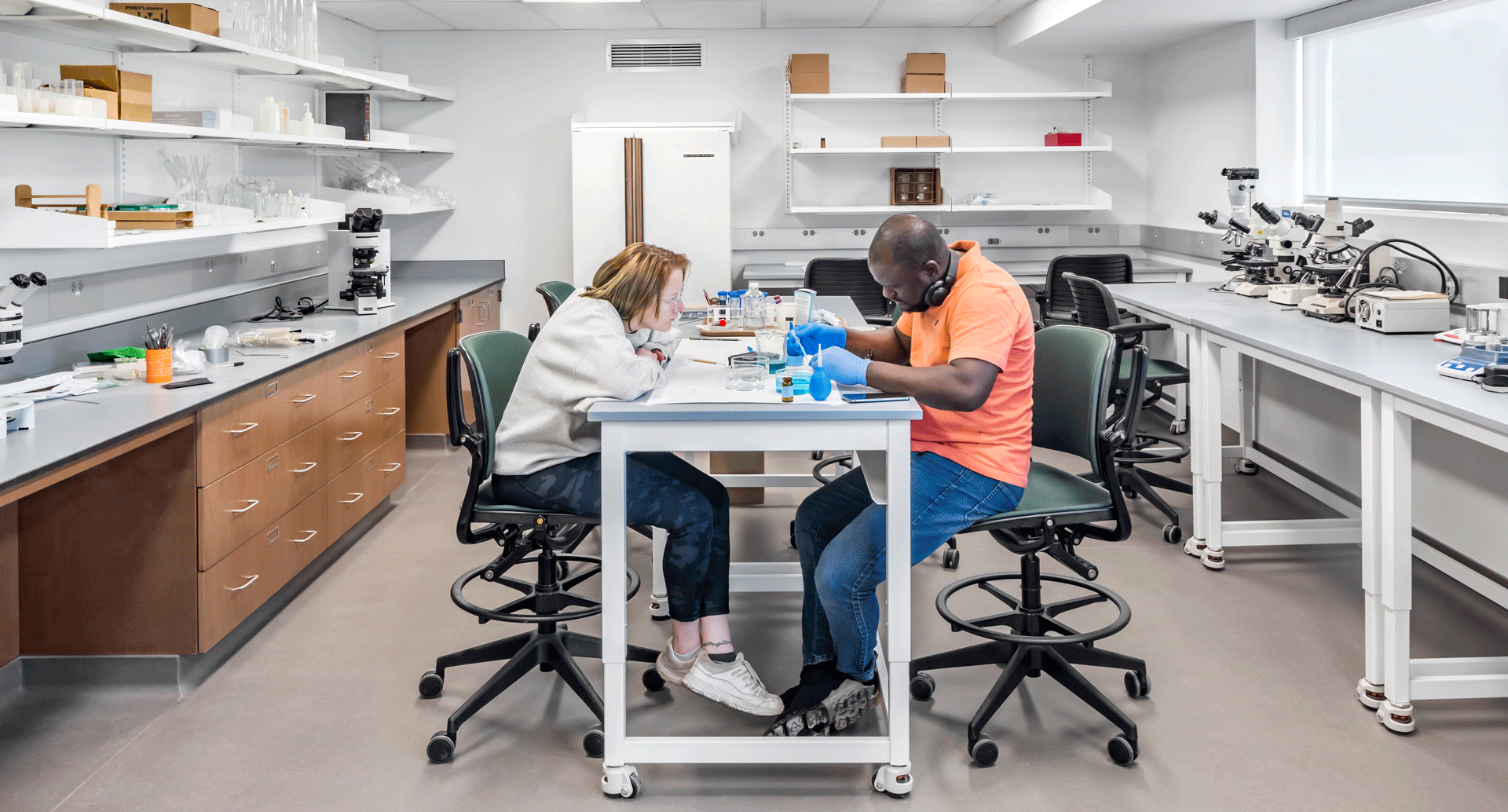



Originally constructed in 1953 as a dormitory, Roosevelt Hall was renovated in 1995 to house classrooms, laboratories, offices and museums. The layout was ineffective, creating an opportunity for more efficient and effective learning and research spaces.
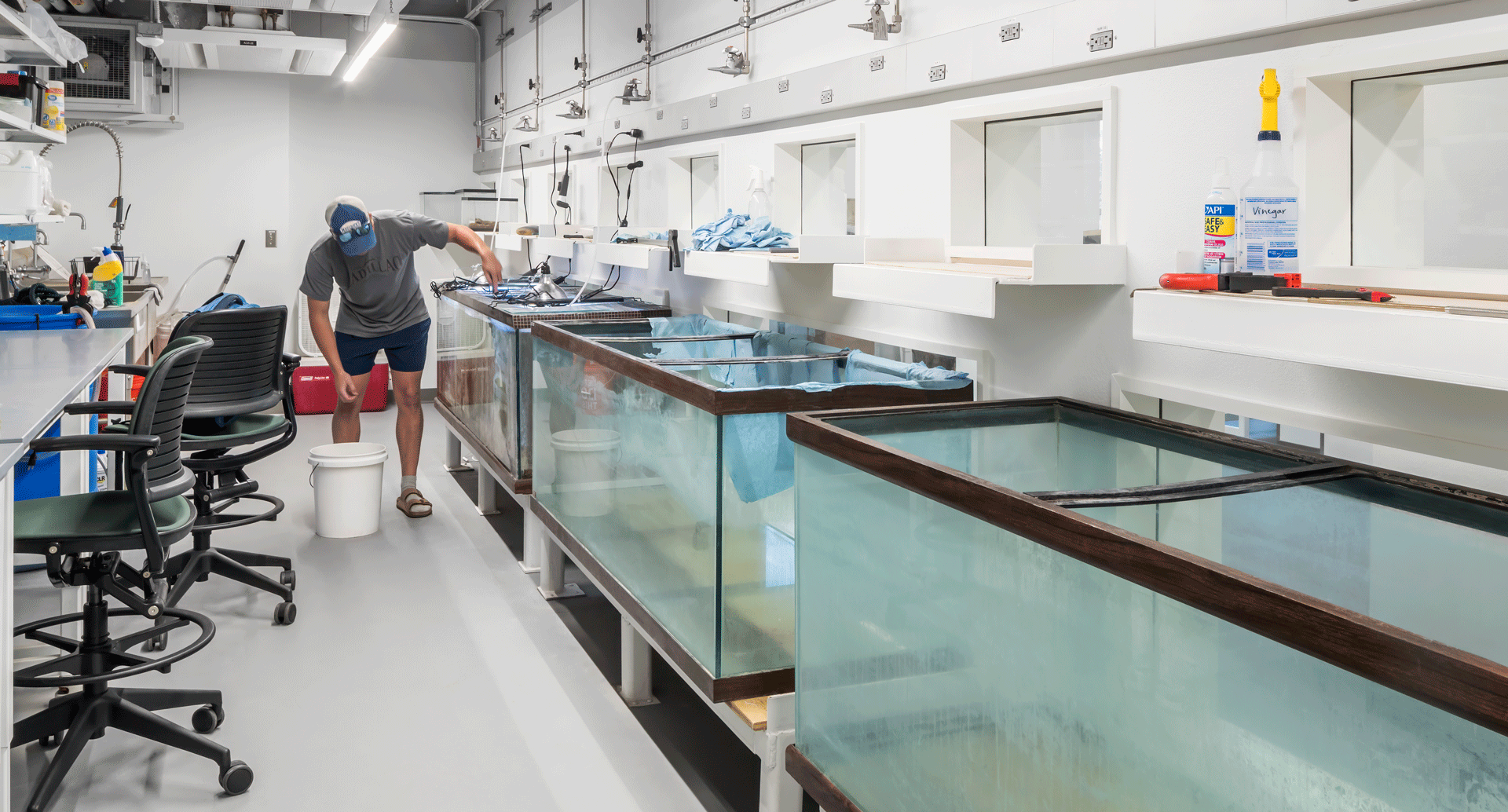
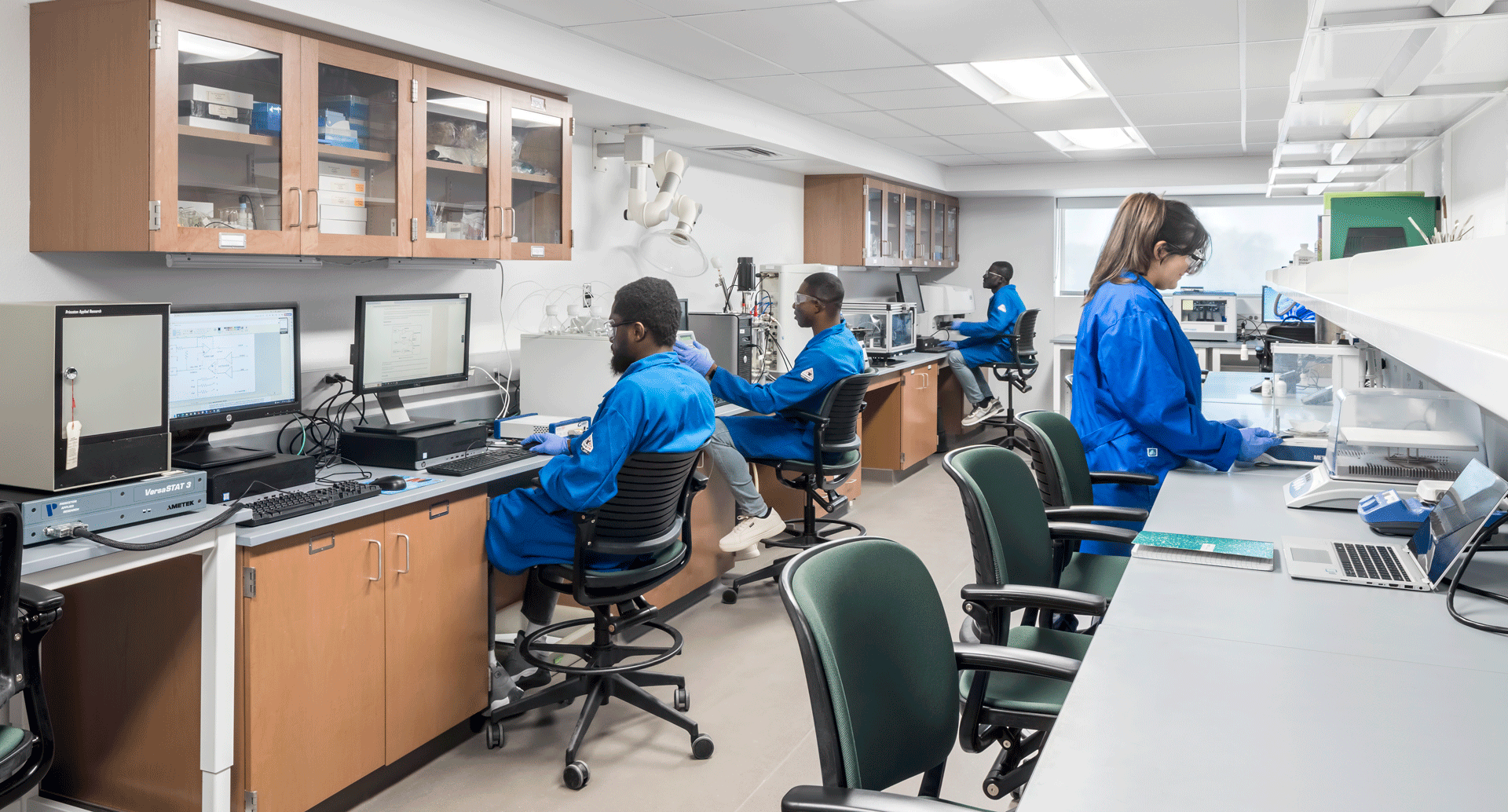
The renovated spaces span two teaching labs, 10 research suites, a shared equipment room, preserved specimen collection space for the region, a graduate student space, offices and mechanical space. The increased labs will support research in the biomedical field including research on vaccines, cancers, infectious diseases and genetic diseases.
Project goals were wide ranging:
Departments include physical science (aviation science, biochem, chemistry/premed, environmental science, forensic science, geology); anthropology and applied archaeology; and biology (ecology, microbiology, evolution and organismal biology, physiology, entomology, wildlife and fisheries science). The facility includes an NMR spectroscopy, allowing students to examine a material’s molecular structure.
The building also houses the Miles Mineral Museum, a collection of 2,500 geological, archaeological and anthropological specimens, and Gennaro Natural History Museum, which focuses on the biological diversity of eastern New Mexico and the greater Southwest.
Because of limited mechanical space above the ceilings, the design team was not able to fit ductwork over the existing structural elements. Instead, parts of each floor were converted into mechanical space, with two labs flanking a shared mechanical space to limit duct and other utility runs.
Portales, New Mexico
42,500 GSF
Programming, laboratory planning and design and equipment planning
LEED Silver
Dekker